UK Winter Kitesurfing Checklist: What to Wear and Pack for Cold Water Sessions
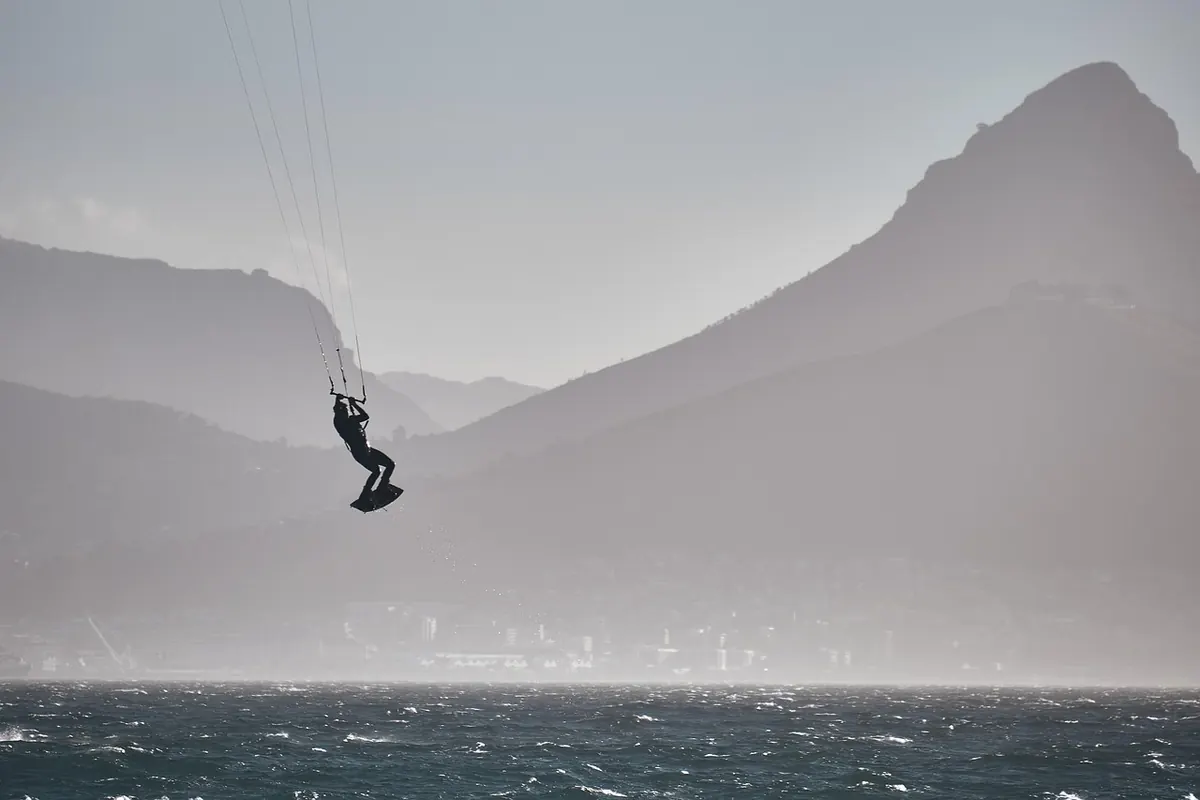
Cold water is the real opponent in a UK winter. Air temperature gets the headlines, but the sea around our coast sits in single figures from roughly December through to March, and 20 knots on a grey February afternoon pulls heat out of you far faster than anything you'll meet in July. The difference between four hours of good riding and forty minutes of shivering comes down to what you're wearing and what you've got in the car.
For most UK winter sessions, a 5/4 steamer is the workhorse. If you feel the cold badly, ride the North Sea in February, or do long downwinders, a 6/5/4 with an integrated hood is worth the extra bulk. Look for taped and glued seams, smoothskin panels across the chest and back to cut windchill, and a chest zip, which flushes less than a back zip when you take a beating in the shorebreak.
Fit matters more than the millimetre count. A baggy 6mm suit holds water, and that water moves. Every time it flushes, your body has to heat it again. A snug 5mm suit with sealed wrists, ankles and neck will keep you warmer than a loose 6mm one every time. Check the neck especially: if you can slide two fingers in comfortably, that's roughly right. If you can slide your whole hand in, you'll be wet within twenty minutes.
Drysuits have a loyal following in the UK for good reason. A membrane suit with proper wicking base layers underneath lets you ride for hours, and getting changed afterwards is far less miserable because you're dry underneath. The trade-off is cost, bulk, and maintenance. Latex and neoprene seals perish if you leave them squashed in a bag, zips need waxing, and a small nick in the fabric is a very cold lesson. If you go down this route, look after it and it will look after you.
Less than you think. Under a steamer, a thin thermal rash vest is enough; a thick fleece just traps water and restricts your shoulders. Under a drysuit, the opposite applies: two thin wicking layers beat one heavy one, and cotton is the worst possible choice because it stays wet and cold against the skin.
These three items decide whether a winter session is enjoyable or a countdown to the car. Get them right and you'll barely notice the cold; get them wrong and no wetsuit will save you.
Hood. A 2mm or 3mm neoprene hood, or an integrated hood on the suit, keeps the wind off your neck and stops the flush that chills your whole core. Ear plugs are cheap and make a real difference, because cold water in the ear canal drains heat quickly. If you're a regular winter rider, keep an eye on your ears generally; repeated cold-water exposure can cause bony growths in the ear canal, so if you notice dulled hearing or recurring infections, speak to your GP.
Gloves or mittens. Mittens are warmer, gloves give better grip on the bar. Most people settle on 3mm gloves for a mild Cornish January and 5mm mittens for a Scottish February. Whichever you choose, put them on dry and warm before you launch rather than wrestling with them on a windy beach with numb fingers.
Booties. Go for 5mm or 6mm with a proper sole if you're walking over shingle, rock or a long slipway. Split-toe gives better board feel, round-toe is warmer. Fit them snug. A bootie that slides around lets water in and pumps it out with every step.
Run through this before you leave the house. It's the sort of list that saves a session when you're already halfway to the beach.
A hook knife is not optional in winter. Fix it to your harness where you can reach it with either hand, and practise finding it with your eyes closed. Lines and kites can tangle in cold, clumsy conditions, and numb hands make everything harder. A whistle takes up no space and carries further than shouting over wind and surf.
Carry your phone on your body, not in a bag on the beach, but remember that cold flattens batteries. Keep it warm until the moment you launch. Tell someone where you're going out, when you expect to be back, and share your location if you can. Check the tide as carefully as the wind, because an offshore breeze on a dropping tide is the classic UK winter mistake. Ask yourself honestly before you launch whether you'd be happy to swim for it. If the answer is no, don't go out.
A small plastic box of spares lives permanently in most winter riders' boots, and it has rescued plenty of sessions. A snapped pigtail or a stripped fin screw at a remote beach with a two-hour drive home is a bad day. Add a length of spare line, a couple of bladders if you can get them, and a tube of neoprene cement for seam and nick repairs. Rinse your kit in fresh water after every session where you can, dry the suit inside out, and never leave it crumpled in a bag. Wax the zip. Run your fingers along the lines and look for nicks and salt-brittle spots, which are easier to spot now than mid-session.
Plan the exit as carefully as the entry. A changing robe and a mat make the difference between a dignified change and a frantic one, and the order matters: hood and coat on first, then the suit off, then dry feet into thick socks and boots. Get out of the wind before you start faffing with zips. A flask of something hot in the car is a small luxury that genuinely helps, and a dry bag for the wet kit stops the inside of your car turning into a swamp by March.
Five minutes of checking beats an hour of regret. Look at the wind chill, not just the knots. Look at the tide. Check that your kit is dry, complete and actually in the bag. Make sure your phone is charged and someone knows your plan. If you're new to winter sessions, go out with someone experienced for the first few, stick close to shore, and cut the session short the moment you feel properly cold rather than pushing on. Cold water is unforgiving, and if you have a heart condition, poor circulation or any doubt about how your body copes with cold, get proper advice from a doctor before you commit to riding through the winter.
Photo: charles135a / Pixabay
Previous Post
How to Body Drag in Kitesurfing: Step-by-Step for Board Recovery and Self-Rescue
Next Post
First Kiteboard Buyers Guide: Twin Tip vs Surfboard for UK Conditions