Best UK Kitesurfing Beaches for Beginners: Flat Water, Shallow Launch and Safe Winds

Learning to kitesurf in the UK is largely an exercise in damage limitation. The wind arrives gusty, the water sits somewhere between bracing and brutal, and the tide rearranges the beach roughly every six hours. Choose the right venue, though, and everything else becomes manageable: waist-deep water over sand, a wind that pushes you back towards the shore rather than out to sea, and a launch with no groynes, no boat channels and room to make mistakes. These are the beaches UK instructors keep returning to for first sessions.
Before you drive three hours to a spot somebody recommended on a forum, run it past the same checklist a school would use. Flat water and a shallow shelf will do more for your progress than any upgrade to your kit.
Camber Sands, East Sussex is the classic first-timer's beach: miles of sand, shallow water for a long way out, and reliable south-westerlies arriving cross-shore. The catch is the tide. On a big ebb the water retreats so far that the walk back becomes a trudge, and the channel at the Rye end is not a place to be underpowered. Aim for mid-tide, keep an eye on the forecast swell, and stay well clear of the river mouth.
Hayling Island offers something Camber cannot: genuinely flat water on the harbour side. The sheltered water inside Langstone Harbour is ideal for your first upwind tacks, but the current near the entrance picks up sharply as the tide runs. Ask at the beach about where to launch and where the shallows sit.
Further round the coast, Minnis Bay in Kent is sandy, shallow and noticeably calmer than many south-coast beaches, which is why so many schools base themselves there. It works best when the wind comes in off the sea; a northerly will feel patchy and offshore, so pick your day.
The sheltered water of Poole Harbour and Studland Bay is about as gentle as UK kitesurfing gets, with shallow flats and soft chop. It is also a busy, protected area with conservation designations, so read the signage, stick to the zones marked for kitesurfing and keep clear of the channels used by ferries and small craft.
Portland Harbour is the other south-coast favourite. The harbour walls flatten the swell and the wind funnels in steadily, which makes it a superb place to learn. It is also a regulated harbour: expect designated launch areas, signage and, in some cases, a registration or launch fee. Check before you travel rather than assuming you can rig anywhere.
Newborough on Anglesey has lagoons behind Llanddwyn that hold shallow, flat water, with a huge sandy beach to fall back on. The tide floods across those flats quickly and the level can rise around you while you are untangling lines, so learn the tide times and do not stray far from the sandbank. Rhyl and Kinmel Bay on the north Wales coast offer a similar proposition: wide, shallow and forgiving in a westerly.
Troon and Barassie give you a long, shallow sandy beach with westerlies coming onshore, plus a handful of established schools and a friendly local scene. It is a proper cold-water venue, so budget for a good winter wetsuit, hood, boots and gloves, and treat a spring day as seriously as a January one.
St Andrews West Sands is vast and shallow, which makes it unusually forgiving, and it comes into its own in easterly winds. Those winds are raw, though. If you are new to cold water, or you have a heart or circulatory condition, get proper medical advice before you start; cold water shock is real and it happens fast.
Two or three sessions at a forgiving beach will teach you more than a fortnight of fighting chop. Once you can ride upwind, the UK opens up properly.
Start at a school-run spot, take a lesson in the venue you actually plan to ride, and give yourself permission to sit out the marginal days. The best beginner beach is the one you can walk away from at the end of the session, still grinning, with all your fingers.
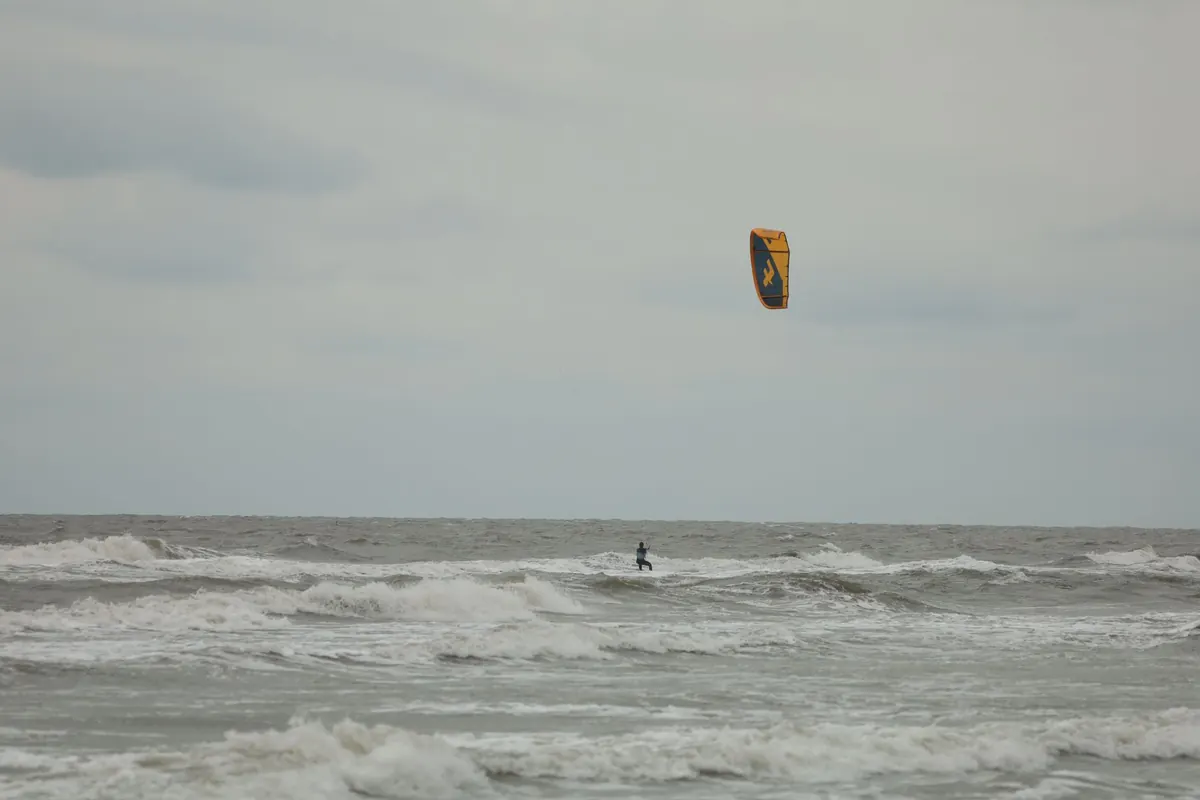
Photo: Pok_Rie / Pixabay
Previous Post
Wetsuit Thickness Guide for UK Kitesurfing: 3/2, 4/3, 5/4 and 6/5
Next Post
10 Common Kitesurfing Mistakes Beginners Make (and How to Correct Them)